Epoxy Floor Coating vs. Paint: What’s Best for Your Garage or Basement?
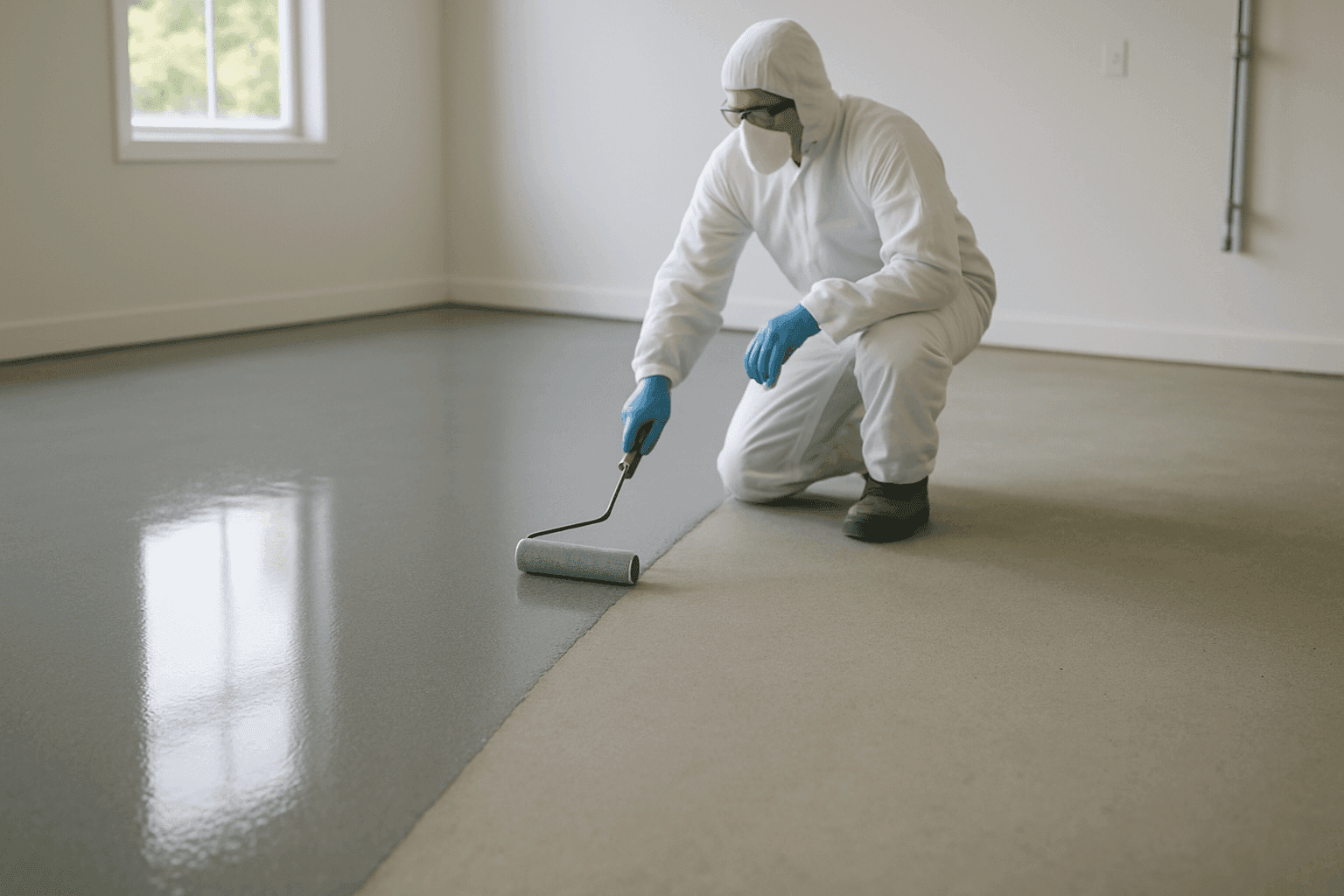
Ever walked into a garage or basement and felt like something was missing? Maybe the floor looks tired, stained, or just… blah. You picture a fresh, clean surface—easy on the eyes, tough underfoot, and simple to clean. But then comes the big question: should you go with epoxy floor coating or just roll on a layer of paint?
At IAHM Painting, we’ve seen the good, the bad, and the ugly when it comes to floor finishes. Homeowners often ask us which option truly lasts, especially with all the snow, salt, muddy boots, and life’s surprises that a garage or basement floor faces. Let’s dig deep—so you can make a choice that fits your space, your lifestyle, and your peace of mind.
What Is Epoxy Floor Coating? ⚡
Epoxy floor coating is like armor for your concrete. It’s a two-part system where resin and hardener mix to form a durable, plastic-like surface. This isn’t just a fancy paint—when done right, it bonds to the floor and creates a high-gloss, chemical-resistant finish that stands up to hot tires, dropped tools, oil spills, and foot traffic.
Highlights:
- Seals & protects: Stops stains, moisture, and salt from seeping in.
- Custom looks: Flakes, metallics, and color blends for that showroom shine.
- Long-lasting: Decade-plus lifespan with proper prep.
- Easy to clean: Dust, debris, and spills wipe away without fuss.
But epoxy isn’t magic. It needs the right prep, careful timing, and a steady hand. Done poorly, it can lift, bubble, or peel—turning your dream floor into a patchy mess.
How Is Floor Paint Different?
Floor paint is, well, paint. Usually acrylic or latex blended with additives for extra toughness. It’s less expensive up front and easy to apply. Think of it as a fresh coat for your concrete—brightening the surface and offering light protection.
Best for:
- Low-traffic basements or garages.
- Quick refreshes on a budget.
- Spaces without heavy vehicles or chemical exposure.
But beware: Standard paint can chip, scratch, or wear down faster—especially where tires, bikes, or moisture are involved. It’s a bit like putting a raincoat on in a thunderstorm: better than nothing, but not built for the worst weather.
Key Factors: Durability, Maintenance, Appearance, and Cost
Let’s break it down—because the best choice depends on what you need most.
Durability
- Epoxy: Tough as nails. Resists abrasions, chemicals, oil, and winter salt. Can last 10–20 years with good prep.
- Paint: Prone to chips, peeling, and fading—especially where hot tires, water, or dropped tools are common. Touch-ups needed every 1–3 years in busy areas.
Maintenance
- Epoxy: Sweep, mop, and you’re done. Spills won’t soak in. Occasional re-coating may be needed after many years.
- Paint: Needs more TLC. Clean gently, avoid scrubbing, and plan for regular touch-ups.
Appearance
- Epoxy: High-gloss, vibrant colors, customizable with flakes or metallic effects. Hides imperfections better.
- Paint: Matte to satin finishes. Limited color options. Every crack and stain may still show through.
Cost
- Epoxy: Higher up front (materials and labor), but lower cost per year thanks to longevity.
- Paint: Cheaper to start, but more frequent re-dos mean costs add up over time.
When to Choose Epoxy vs. Paint
Epoxy is ideal when:
- You park cars, bikes, or heavy gear in your garage.
- You want a polished, showroom look.
- Chemical resistance and easy cleaning matter.
- Your basement has moisture issues or heavy use.
Paint is a fit when:
- Budget is the biggest concern.
- The space is low-traffic—maybe a storage area or laundry room.
- You’re prepping for a quick sale or short-term use.
Preparation and Application Essentials 🛠️
No matter what you choose, prep is king. Imagine trying to stick tape to a dusty wall—it just won’t hold. The same goes for floors.
Steps for both:
- Clean thoroughly. Remove oil spots, dirt, and old coatings.
- Repair cracks and holes. Use concrete patch for deep damage.
- Etch or sand the surface for better adhesion (especially for epoxy).
- Test for moisture. Trapped water will cause bubbling or peeling.
Epoxy-specific tips:
- Watch the clock. Epoxy has a short working time before it hardens.
- Mind the weather. Avoid humid days or cold temps, as these can affect curing.
- Let each layer cure fully before adding the next.
Paint-specific tips:
- Choose a floor-grade product—not just any wall paint.
- Apply thin, even coats. Thick coats can peel.
- Allow plenty of drying time between coats.
Pro Tips: Spotting Poor Installations & Avoiding Failures
A beautiful floor can turn ugly fast if shortcuts are taken. Here’s what to look for—and how to dodge disappointment.
Signs of a poor job:
- Peeling or bubbling within months.
- Color fading or yellowing quickly.
- Visible roller or brush marks.
Common misconceptions:
- “Epoxy is waterproof!” (It resists moisture, but doesn’t fix leaks.)
- “Paint is fine for high-traffic garages.” (Only with frequent touch-ups.)
How to avoid failures:
- Prep matters more than product. Invest time here.
- Follow manufacturer instructions to the letter.
- Don’t rush—let each layer cure as recommended.
For more, check resources like the Environmental Protection Agency’s guidance on indoor air quality and the Occupational Safety and Health Administration (OSHA) for handling coatings safely.
Safety Considerations: Slip Resistance, VOCs, and Health
Safety isn’t just about a slick look—it’s about peace of mind.
- Slip risk: Both epoxy and paint can be slippery when wet. Look for additives (like anti-slip flakes or sand) to boost traction.
- VOCs: Some coatings release volatile organic compounds. Choose low-VOC or eco-friendly products when possible, and ventilate the area well during and after application.
- Lead paint: If your home is older, be cautious with paint removal. The EPA has clear guidelines for safe lead paint removal.
Maintenance Needs & Lifespan
- Epoxy: Sweep regularly, mop spills fast. Inspect for chips or dull spots after heavy use. Most floors stay sharp for 10 years or more.
- Paint: Expect to touch up every year or two, especially in garages. Clean gently to avoid gouging the surface.
Suitability for Different Climates
- Cold winters: Epoxy shrugs off salt, snow, and tire heat. Paint may peel or flake with freeze-thaw cycles.
- Humid summers: Both systems need dry conditions to cure. Moisture trapped underneath means trouble—so always test first!
- High-traffic homes: Epoxy wins for durability. Paint is best for low-traffic spaces.
Answers to Common Questions
Q: Is epoxy or paint safer for homes with kids and pets?
A: Both can be safe once fully cured, but choose low-VOC options and ventilate during application. Always keep kids and pets out of the work zone until the floor is ready.
Q: Will floor coatings hide cracks or stains?
A: Epoxy hides minor flaws better, but deep cracks need patching first. Paint won’t mask imperfections as well—prep is still key.
Q: How do I know if my floor is ready for coating?
A: Test for moisture with a simple plastic sheet taped to the floor. Any condensation after 24 hours? Wait or fix the source before coating.
Q: Can I power wash my garage floor after coating?
A: Epoxy can handle gentle power washing. Painted floors should be cleaned with care to avoid peeling.
Practical Homeowner Tips
- Always read product labels and instructions.
- Don’t skip surface prep—even if it seems clean.
- For older homes, check for existing lead-based finishes before sanding or stripping.
- If DIY, wear gloves and a mask, and ventilate well.
- Not sure? Ask for a color consultation or surface preparation advice from painting professionals.
Assess Your Needs—And Don’t Guess
Every home is unique. What works for your neighbor’s garage may not fit your basement. Consider how you use your space, your climate, and how much time you want to spend on upkeep. Sometimes, investing a bit more now saves endless headaches later.
When in doubt, a quick conversation with a pro can help you avoid costly missteps—and give you a floor that feels like new for years.
Call IAHM Painting now — or reach us anytime at 877-759-1287 .