Eco-Friendly Paint Options for a Healthier Home: What Homeowners Need to Know
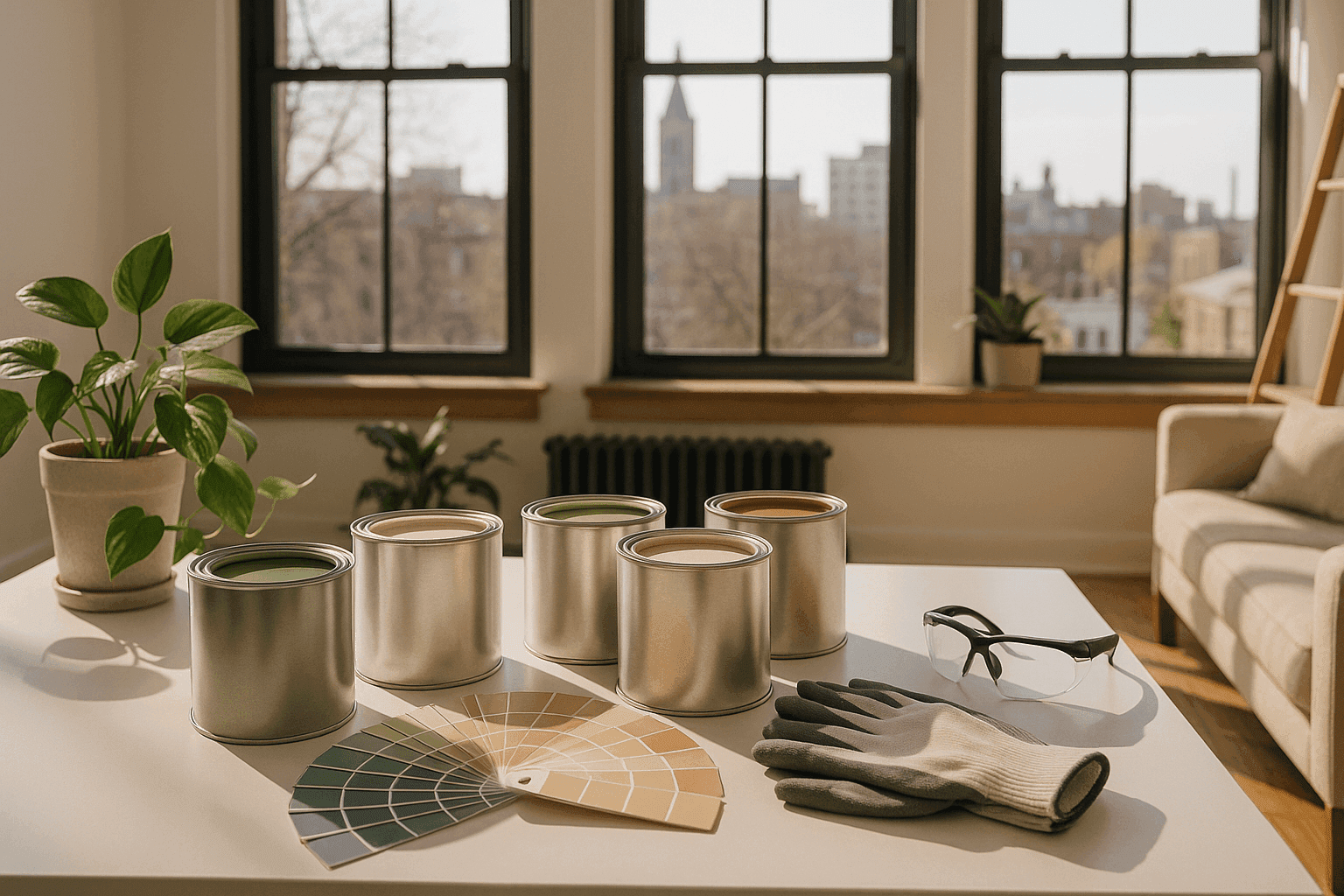
A fresh coat of paint can do wonders. It brightens a room, updates your style, and sets the mood. But what about the air you breathe while the walls dry, or the safety of your family after the project is done? Choosing the right paint isn’t just about color—it’s about health, too.
At IAHM Painting, we’ve helped countless families transform their homes with eco-friendly paints. If you’re ready to create a safer, more sustainable space, this guide is for you.
What Makes Paint Eco-Friendly? 🌱
Not all paints are created equal. Traditional paints can contain harsh chemicals—some you can smell, others you can’t. Eco-friendly paint options are designed to be gentler on your lungs, your loved ones, and the planet.
Key features of eco-friendly paints:
- Lower levels of Volatile Organic Compounds (VOCs)
- Water-based formulas instead of solvent-based
- Ingredients sourced sustainably
- Minimal or no added toxins, heavy metals, or formaldehyde
- Certifications from reputable organizations (like GREENGUARD or Green Seal)
Think of eco-friendly paint as the organic produce of the painting world. It’s the smarter, safer choice for your home—especially in spaces where you eat, sleep, and play.
Understanding VOCs and Indoor Air Quality
Ever walked into a freshly painted room and gotten a headache from the smell? That’s often VOCs at work. VOCs (Volatile Organic Compounds) are chemicals that evaporate into the air as paint dries. Some are harmless, but others can trigger allergic reactions, asthma, or even long-term health issues.
According to the Environmental Protection Agency (EPA), indoor air can be more polluted than outside air—especially after painting with high-VOC products. For sensitive groups like kids, older adults, or anyone with allergies, this matters.
Eco-friendly paints come in three main varieties:
- Low-VOC: Contains fewer harmful chemicals; meets most state and federal guidelines.
- Zero-VOC: Contains minimal to no detectable VOCs; safest for indoor air.
- Natural paint: Made from ingredients like clay, chalk, or plant oils.
Always check the label. Numbers matter: “Low-VOC” usually means less than 50 grams per liter for flat paint, but zero is always better for bedrooms and nurseries.
Top Benefits of Low- and Zero-VOC Paints
Why make the switch? Here’s what you gain:
- Healthier indoor air: Less risk of headaches, respiratory issues, or allergic reactions.
- Faster return to normal: Odors dissipate quickly, so you don’t have to avoid painted rooms for days.
- Safer for kids and pets: No harsh fumes lingering in the air.
- Eco-conscious choice: Reduced impact on the environment from production to disposal.
- Better for sensitive projects: Ideal for trim and molding painting near you, furniture, or cabinet refinishing.
Choosing low- or zero-VOC paints is like opening a window to fresh air—without actually having to open one.
How to Choose the Right Green Paint for Each Room
Every room has its own needs. Kitchens face splatters. Bedrooms demand calm. Nurseries and playrooms? You want the cleanest air possible.
Here’s how to match the paint to the purpose:
Bedrooms, Nurseries, and Kids’ Spaces
- Pick zero-VOC formulas.
- Look for certifications like GREENGUARD Gold (meets stricter standards for chemical emissions).
- Choose paints labeled as “hypoallergenic” or “allergen-reducing.”
- Soft, calming colors can actually help with sleep.
Kitchens and Bathrooms
- Use low-VOC, washable paints.
- Prioritize moisture resistance and mold/mildew resistance.
- Gloss or semi-gloss finishes make cleaning a breeze.
Living Rooms and Hallways
- Low-VOC paints are usually sufficient.
- Choose durable, easy-clean options if you have pets or high-traffic areas.
Furniture, Trim, and Cabinets
- Specialty eco-friendly enamels are best.
- For furniture painting or cabinet refinishing, water-based options reduce odor and health risk.
- Always let painted furniture cure fully before use.
Allergy-Prone Households
- Stick with zero-VOC across the board.
- Avoid paints with added fragrances or colorants containing heavy metals.
- Consider a color consultation to pick soothing shades that promote wellness.
Pro tip: Read the label. If you see ingredients you can’t pronounce, or if the paint has warnings about ventilation, look for a safer alternative.
Tips for a Healthier Painting Process
Paint is only as safe as your process. Here’s how to make your next project worry-free:
- Ventilate well: Open windows and doors. Use fans to move air out of the room.
- Check the weather: Humid or rainy days slow drying and can trap fumes. Dry, mild days are best.
- Seal off sensitive spaces: If painting near bedrooms or nurseries, keep those doors closed.
- Store paint safely: Keep leftover cans sealed and out of reach of children or pets.
- Dispose responsibly: Follow local guidelines for recycling or hazardous waste disposal.
Sensitive to smells? Place bowls of baking soda or activated charcoal in the room to help absorb any lingering odors.
Common Certifications and How to Read Paint Labels
Paint cans are covered in symbols and claims. Here’s how to tell what matters:
- GREENGUARD (or GREENGUARD Gold): Tested for low chemical emissions.
- Green Seal: Verified reduced toxicity and environmental impact.
- LEED compliance: Qualifies for green building credits.
- US EPA Safer Choice: Meets strict health and environmental standards.
Watch out for “greenwashing.” Just because a label says “eco-friendly” or “natural” doesn’t mean it’s safe. Look for third-party certifications, not just marketing buzzwords.
Real-World Steps: Eco-Friendly Painting in Sensitive Spaces
Some rooms need extra care. For nurseries, kids’ rooms, or homes with allergy sufferers:
- Paint when the space can be empty for at least 48 hours.
- Use zero-VOC, hypoallergenic paints.
- Ventilate for several days after painting.
- Avoid using carpets or fabrics that might trap fumes during the process.
For those with chemical sensitivities, talk to your painting contractor about specialized products and odor-blocking primers.
The Long-Term Health and Environmental Impacts
Choosing eco-friendly paint isn’t only about today—it’s about tomorrow. Paints with fewer toxins mean:
- Better air quality for years to come.
- Lower risk of future respiratory problems.
- Less environmental pollution during manufacturing, application, and disposal.
By investing in safer materials now, you’re protecting both your family and the planet.
Seasonal Ventilation and Weather: Why Timing Matters 🏡
Weather can make or break your painting project. Here’s why:
- Spring and fall: Mild temperatures, lower humidity, and open windows make these ideal times for eco-friendly painting.
- Winter: Closed windows can trap fumes. If you must paint, use air purifiers and ventilate when possible.
- Summer: Heat speeds up drying but can make odors more intense. Paint early in the day or late afternoon.
A professional painting team knows how to time projects for safety and efficiency—ask about seasonal best practices during your estimate.
Practical Safety Checklist
- Choose low- or zero-VOC paints with credible certifications.
- Plan to keep rooms empty during and after painting.
- Ventilate continuously for at least 48 hours post-project.
- Store and dispose of paint safely.
- For allergy-prone or sensitive family members, notify your painting team in advance.
When to Consider a Professional
DIY painting can be rewarding, but for sensitive spaces or specialty projects—like lead paint removal, graffiti removal, or epoxy floor coating—professional help is safer. A pro can:
- Ensure proper surface preparation and sealing.
- Advise on the best eco-friendly products for your needs.
- Minimize health risks for your household.
What Pros Do on Arrival
When the IAHM Painting team arrives, you can expect:
- A review of your family’s needs (kids, pets, allergies, etc.)
- Careful masking and surface preparation to contain dust and fumes.
- Use of certified, low- or zero-VOC products.
- Clean, efficient work—so you can get back to living in your home, faster.
Prevention and Maintenance for Lasting Results
- Dust and clean painted surfaces regularly to reduce allergens.
- Touch up chips and scuffs promptly to keep air quality high.
- Schedule periodic inspections for decks, stucco, or high-use areas.
Cost and Time Factors (No Surprises)
Eco-friendly paints may cost a little more up front, but they pay off in health and peace of mind. Most rooms can be painted in a day or two, with safe re-entry possible within 24–48 hours for low-odor products.
When It’s an Emergency
If you suspect lead paint, mold, or a strong chemical odor after painting, leave the area and call a professional. Safety always comes first.
FAQ: Eco-Friendly Painting
Q: Do eco-friendly paints last as long as traditional paints?
A: Yes! Many modern low- and zero-VOC paints offer equal or better durability compared to conventional options.
Q: Will I still notice a “new paint smell”?
A: You may notice a faint odor, but it disappears much faster and is much less intense with eco-friendly paints.
Q: Can I use eco-friendly paints on any surface?
A: Absolutely—there are green options for walls, trim, cabinets, decks, and even metal or concrete.
Q: How do I know a paint is really safe?
A: Look for trusted third-party certifications like GREENGUARD, Green Seal, or the EPA Safer Choice label.
Local and Seasonal Considerations
Every home and season is different. If you’re planning a painting project, consider:
- Local weather patterns—humidity and temperature affect drying times.
- Allergy cycles—avoid painting during peak pollen seasons if possible.
- Community waste guidelines—some paints require special disposal.
A little planning goes a long way toward a safer, smoother project.
Ready to transform your home with healthier, safer, and longer-lasting paint? Call IAHM Painting now — or reach us anytime at 877-759-1287 .